



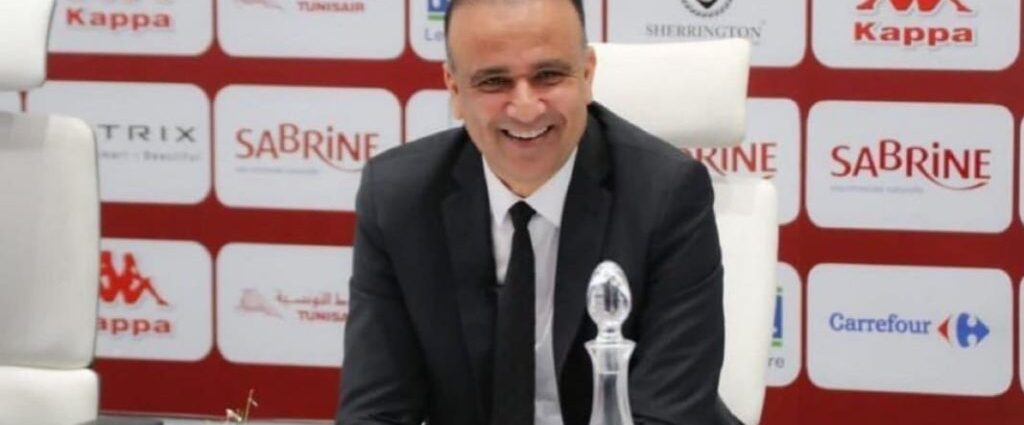
Wadie Jary’s legal battle reached a dramatic new stage after a Tunisian court confirmed his three‑year prison sentence. The former president of the Tunisian Football Federation (FTF) responded with a hunger strike from his prison cell, escalating a saga that has dominated Tunisian football politics for months.
Legal fight intensifies after appeal ruling
The appeal decision revived a case built on administrative irregularities linked to an African school tournament and a technical director’s contract. Jary rejected the ruling immediately. He insisted that the case lacked evidence of corruption and stressed that the state suffered no financial loss. His statement challenged the legitimacy of the process and accused authorities of violating constitutional protections.
Hunger strike signals deepening crisis
Jary began a hunger strike to protest the verdict, a move that shocked Tunisian football circles. He framed the strike as a stand against what he described as legal overreach. His message portrayed a man determined to fight until the end, even under harsh conditions. He argued that investigators misinterpreted administrative decisions and ignored testimony that supported his position. His supporters echoed these claims, insisting that political motives influenced the case.
A long-running conflict with lasting consequences
This case stretches back several years and includes reversals, appeals, and shifting accusations. The latest ruling adds another layer to a conflict that already reshaped leadership within Tunisian football. Jary’s tenure at the FTF included major reforms and controversial decisions, which created both allies and opponents. His fall from power now fuels debates about governance standards across African football.
Jary vows to continue the legal battle
Despite his hunger strike, Jary promised to pursue every legal option available. He believes the courts will eventually overturn the ruling. His lawyers prepare new motions as public pressure grows around the case. The situation places Tunisian football in a delicate position. The federation faces scrutiny, and the sport’s reputation suffers as the conflict drags on.
Source: africatopsports